Virtual Visit Communication Pitfalls in Telehealth
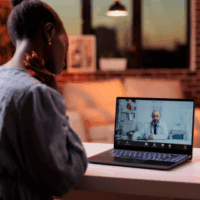
The way we interact with our doctors has changed profoundly. Just a few years ago, a visit to a healthcare provider meant a trip to a physical office, time spent in a waiting room, and a face-to-face conversation. Today, for many in Alabama and across the country, a significant portion of medical care is delivered through a screen. Telehealth, or virtual medicine, offers undeniable convenience, making healthcare more accessible for those in rural areas or with mobility challenges.
What Exactly is Telehealth?
Telehealth is a broad term that encompasses the use of digital information and communication technologies, like computers and mobile devices, to access and manage healthcare remotely. It is more than just a video call with your doctor.
Common forms of telehealth include:
- Live Video Appointments: Real-time, two-way conversations between a patient and a provider, often called telemedicine. This is the most common form of a virtual visit.
- Patient Portals: Secure websites or apps that allow you to send messages to your doctor’s office, request prescription refills, and view lab results.
- Remote Patient Monitoring (RPM): The use of digital tools to collect medical data from a patient in one location and electronically transmit that information to a healthcare provider in a different location for assessment and recommendations. This is often used for managing chronic conditions like diabetes or high blood pressure.
- “Store-and-Forward” Technologies: This involves sharing patient information, such as digital images or pre-recorded videos, with a provider who reviews it at a later time. A dermatologist reviewing a picture of a skin lesion is a classic example.
How Can Communication Breakdowns in Virtual Visits Lead to Harm?
The convenience of a virtual visit can sometimes mask its limitations. A provider’s inability to perform a physical examination or observe a patient’s full range of non-verbal cues creates a significant gap in the diagnostic process. When communication is further hampered by technical issues or dismissive behavior, the risk of a medical error increases substantially.
These communication failures are not minor inconveniences; they can be the root cause of significant patient harm.
- Diagnostic Errors: A physician might misinterpret a patient’s description of their symptoms without the benefit of a physical exam. For example, a patient’s description of “stomach pain” could be interpreted as indigestion, while a physical exam might have revealed tenderness indicative of appendicitis.
- Medication Mistakes: A poor connection could cause a provider to miss a key piece of information about a patient’s allergies or current medications, leading to a dangerous prescription error.
- Delayed Diagnosis or Misdiagnosis: This is one of the most frequent and dangerous outcomes. A provider might dismiss a patient’s complaint as anxiety or stress when, in a physical setting, they might have noticed subtle physical signs pointing to a more serious condition like a heart problem or a neurological disorder.
- Failure to Recognize an Emergency: Certain symptoms require immediate, in-person evaluation. A provider in a virtual setting might fail to grasp the severity of a situation, advising a patient to “wait and see” when they should be directed to an emergency room.
Does the Same Standard of Care Apply to Telehealth in Alabama?
Yes. This is a point that cannot be overstated. From a legal standpoint, healthcare providers in Alabama are held to the same professional “standard of care” whether they are treating a patient in person or through a screen.
The legal framework for medical malpractice in Alabama requires an injured patient to prove four key elements:
- A Duty of Care Existed: When a doctor, nurse, or other provider agrees to treat you via a telehealth platform, a formal provider-patient relationship is established. They owe you a duty of care.
- The Duty Was Breached: The patient must show that the provider’s actions fell below the accepted standard of care. In a telehealth context, this could mean failing to recognize the limitations of the virtual visit and not directing the patient to in-person care when necessary. It might also involve dismissing symptoms that a reasonably prudent provider would have investigated further, even in a virtual setting.
- Causation Was Present: The breach of duty must be the direct cause of the patient’s injury. It must be shown that if the provider had acted according to the standard of care—for example, by ordering an in-person follow-up—the patient’s harm would have been prevented or significantly lessened.
- Damages Resulted: The patient must have suffered actual harm. This includes physical pain, additional medical bills to correct the error, lost wages, and a diminished quality of life.
A provider cannot use the limitations of technology as an excuse for delivering substandard care. The responsibility lies with the provider to recognize when a virtual visit is inappropriate and to ensure their communication is clear and thorough enough to make sound medical judgments.
What are Common Communication Pitfalls That Cause Patient Harm?
The potential points of failure in a virtual visit are numerous. While some are technical, many are human factors that are magnified by the remote nature of the interaction.
Technical and Environmental Barriers
- Poor Audio or Video Quality: A pixelated image or choppy audio can obscure visual cues or cause important details of a patient’s history to be missed.
- Lack of Privacy: A patient may not feel comfortable discussing sensitive health issues if they are in a location without adequate privacy, leading them to omit important information.
- Unstable Internet Connection: A dropped call can interrupt a critical part of the diagnostic conversation.
Provider-Related Communication Failures
- Inability to Read Non-Verbal Cues: A provider may not notice a patient wincing in pain, their subtle skin discoloration, or other physical signs that are obvious in person.
- Over-Reliance on Patient Self-Reporting: The entire diagnosis rests on how well the patient can articulate their symptoms, which can be difficult for many people, especially when they are unwell.
- Dismissive Behavior or “Medical Gaslighting”: A provider who is rushed or skeptical may dismiss a patient’s concerns more easily in a virtual setting. Phrases like “it’s probably just stress” without a proper workup can be a sign of this dismissive care, which can lead directly to a delayed diagnosis.
- Failure to Ask Probing Follow-Up Questions: In a quick virtual visit, a provider might not dig deeper into a patient’s symptoms to get the full clinical picture.
System-Related Pressures
- Rushed Appointments: Healthcare systems that schedule back-to-back telehealth appointments can lead to provider burnout and rushed interactions where details are missed.
- Inadequate Technology or Training: A provider may not be properly trained on how to use the telehealth platform effectively or how to adapt their diagnostic skills to a virtual environment.
Proving Malpractice in a Telehealth Case: The Core Challenge
Establishing that a telehealth communication failure amounts to medical malpractice presents unique challenges. The core of the legal work involves meticulously building a bridge of evidence to show how a specific communication breakdown led directly to a preventable error and a tangible injury.
It is not enough to say that the doctor seemed rushed or that the video was blurry. The claim must demonstrate, for instance, that the doctor’s failure to recommend an in-person visit for a patient describing chest pain and shortness of breath was a breach of the standard of care, and that this delay directly caused the patient’s heart attack to be more severe than it would have been with timely treatment.
This requires a detailed investigation that includes:
- A Deep Analysis of Medical Records: Reviewing all notes, chat logs, and electronic health records (EHR) associated with the virtual visit to look for inconsistencies or red flags.
- Expert Medical Testimony: Engaging qualified medical professionals who can testify about what the standard of care required in that specific virtual situation and how the provider failed to meet it.
- Examining the Technology: In some cases, it may be necessary to investigate the telehealth platform itself for records of technical failures or glitches that contributed to the communication breakdown.
What Evidence Can Be Used in a Virtual Visit Malpractice Claim?
Building a strong case requires gathering all available evidence related to the virtual interaction and the subsequent harm. An experienced attorney will seek to collect and analyze a wide range of materials.
Key pieces of evidence often include:
- Digital Communication Records: This includes emails, secure messages sent through a patient portal, and chat logs from the telehealth platform.
- Electronic Health Records (EHR): The provider’s notes from the virtual visit are vital. We look at what was documented versus what the patient reported.
- Recordings of the Virtual Visit: If the visit was recorded (and the patient consented), the recording itself is the most direct piece of evidence.
- Follow-Up Communications: Any correspondence after the initial virtual visit, such as emails advising the patient to “wait a few more days.”
- Subsequent Medical Records: Records from other providers or emergency rooms that show the patient’s condition after the negligent virtual visit, often containing the correct diagnosis that was initially missed.
- Witness Testimony: Statements from family members who may have been present during the virtual call and can attest to what was said and the patient’s condition.
This evidence helps construct a clear timeline, showing the information the provider had, the decisions they made, and how those decisions led directly to the patient’s injury.
Navigating the Legal Path After a Telehealth Injury in Alabama
Feeling that your health has been compromised because you were not properly heard or seen during a virtual medical visit can be a deeply frustrating and isolating experience. The trust you placed in both the provider and the technology was broken, leaving you to deal with the physical, emotional, and financial consequences. The Law Office of J. Allan Brown, L.L.C., is dedicated to helping injured patients in Alabama understand their legal rights and options. We approach these complex cases with the diligence and compassion they deserve.
A conversation with our team can provide a clearer picture of your situation and help you determine the most appropriate next step toward accountability and recovery. Please call our Mobile, Alabama, office at 251-473-6691 to have your case reviewed.
 Testimonials
 Frequently